ROAS
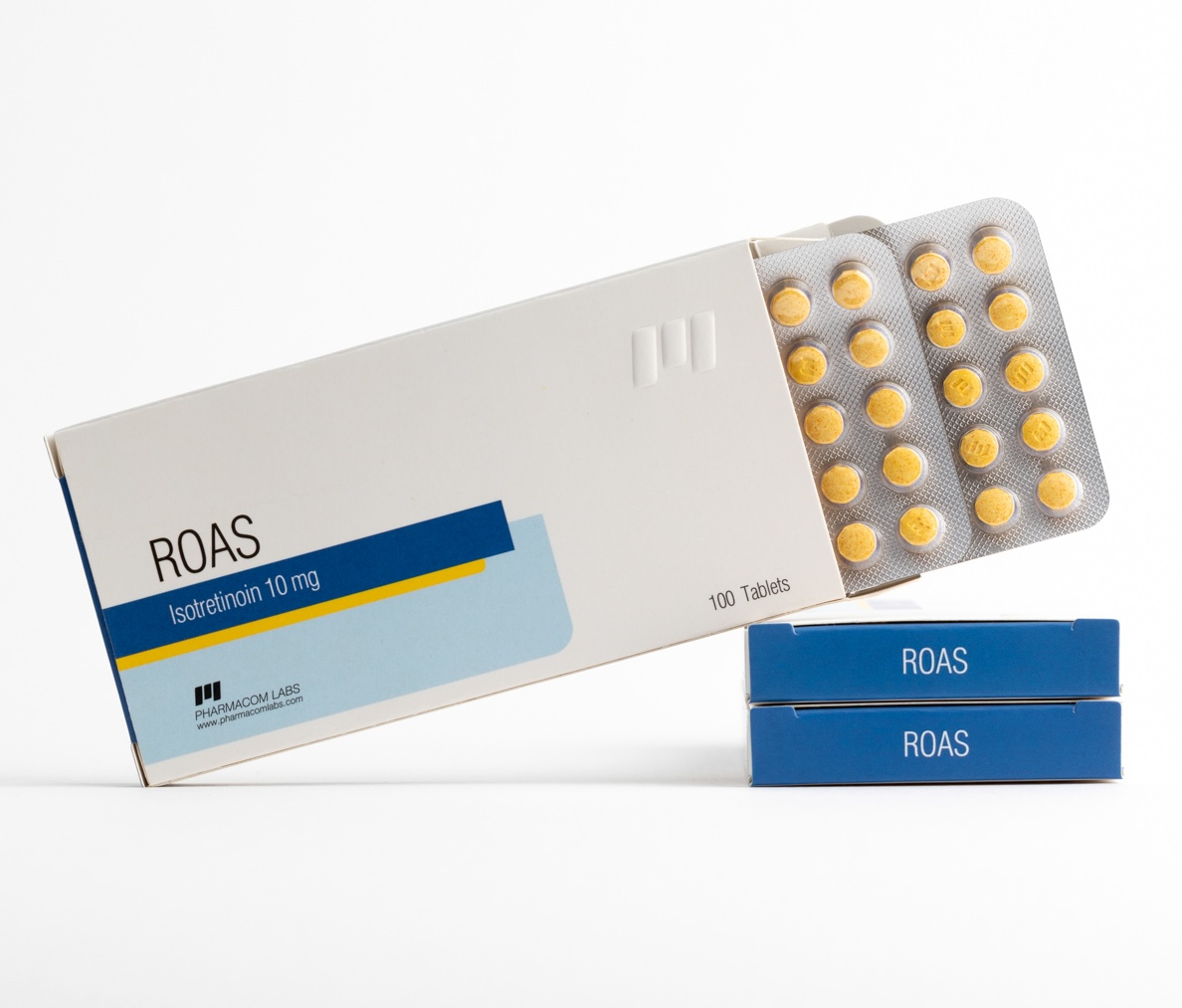
Blister
100
10 mg/pill
| activity | 10-21 hours |
|---|---|
| classification | Dermatotropic drug |
| dosage | 10-40 mg/day |
| acne | No |
| delay_water | No |
| hbr | No |
| hepatoxity | No |
| aromatization | No |
Easy check authenticity
Our product has special protection in the form of a unique code. You can check the authenticity of the item you bought by entering the code authenticity.
Description
<p style="margin: 0px 0px 6px; font-style: normal; font-variant-caps: normal; font-stretch: normal; font-size: 11px; line-height: normal; font-family: Helvetica; font-size-adjust: none; font-kerning: auto; font-variant-alternates: normal; font-variant-ligatures: normal; font-variant-numeric: normal; font-variant-east-asian: normal; font-variant-position: normal; font-variant-emoji: normal; font-feature-settings: normal; font-optical-sizing: auto; font-variation-settings: normal;"><strong>DO NOT USE ROAS IF YOU ARE PREGNANT OR MAY BECOME PREGNANT </strong><br /> Isotretinoin (also known as Roaccutane or 13-cis retinoic acid) is an oral pharmaceutical drug primarily used to treat acne. Isotretinoin increases the production of neutrophil gelatinase-associated lipocalin (NGAL) in the skin, which has been shown to reduce sebum production by inducing apoptosis in sebaceous gland cells while exhibiting an antimicrobial effect on Propionibacterium acnes. The drug decreases the size and sebum output of the sebaceous glands. The most common adverse effects are a transient worsening of acne (lasting 2–3 weeks), dry lips, dry and fragile skin, and an increased susceptibility to sunburn. On very rare occasions, it has also been used to prevent certain skin cancers and treat other cancers. It is used to treat harlequin-type ichthyosis, a usually lethal skin disease, and lamellar ichthyosis. Isotretinoin is a retinoid, meaning it is related to vitamin-A, and is found in small quantities naturally in the body. </p>
<p style="margin: 0px 0px 6px; font-style: normal; font-variant-caps: normal; font-stretch: normal; font-size: 11px; line-height: normal; font-family: Helvetica; font-size-adjust: none; font-kerning: auto; font-variant-alternates: normal; font-variant-ligatures: normal; font-variant-numeric: normal; font-variant-east-asian: normal; font-variant-position: normal; font-variant-emoji: normal; font-feature-settings: normal; font-optical-sizing: auto; font-variation-settings: normal;">ADVICE: Oral isotretinoin is best absorbed when taken with a high-fat meal because it has a high level of lipophilicity. The efficacy of isotretinoin doubles when taken after a high-fat meal compared to when taken without food. </p>
<p style="margin: 0px; font-style: normal; font-variant-caps: normal; font-stretch: normal; font-size: 11px; line-height: normal; font-family: Helvetica; font-size-adjust: none; font-kerning: auto; font-variant-alternates: normal; font-variant-ligatures: normal; font-variant-numeric: normal; font-variant-east-asian: normal; font-variant-position: normal; font-variant-emoji: normal; font-feature-settings: normal; font-optical-sizing: auto; font-variation-settings: normal;">WARNING: Due to isotretinoin’s molecular structure relationship to vitamin-A, it should not be taken with vitamin-A supplements due to the danger of toxicity through cumulative overdosing. </p>
<p style="margin: 0px; font-style: normal; font-variant-caps: normal; font-stretch: normal; font-size: 11px; line-height: normal; font-family: Helvetica; font-size-adjust: none; font-kerning: auto; font-variant-alternates: normal; font-variant-ligatures: normal; font-variant-numeric: normal; font-variant-east-asian: normal; font-variant-position: normal; font-variant-emoji: normal; font-feature-settings: normal; font-optical-sizing: auto; font-variation-settings: normal;">WARNING: Isotretinoin is known to cause birth defects due to in utero exposure because of the molecule’s close resemblance to retinoic acid, a natural vitamin A derivative that controls normal embryonic development. There is about a 20%–35% risk for congenital defects in infants exposed to the drug in utero, and about 30%–60% of children exposed to isotretinoin prenatally have been reported to show neurocognitive impairment. <br /> <strong>DO NOT USE ROAS IF YOU ARE PREGNANT OR MAY BECOME PREGNANT </strong></p>
| Isotretinoin | 10 mg |
|---|---|
| Anabolic activity index | not a steroid |
| Androgenic activity index | not a steroid |